




The Art of AI in Photography: Machine Learning & Creativity
As a professional photographer, I have always been fascinated by the intersection of technology and art. In recent years, the rise of artificial intelligence (AI) and machine learning has revolutionized various industries, including photography. AI refers to the simulation of human intelligence in machines that are programmed to think and learn like humans, while machine learning is a subset of AI that enables computers to learn from data without being explicitly programmed. In the context of photography, AI is used to analyze and interpret visual data, allowing for new possibilities and creative avenues.
Key Takeaways
- AI and machine learning are revolutionizing the field of photography by enhancing creative expression and enabling new techniques.
- AI can assist photographers in tasks such as image recognition, object removal, and color correction, allowing them to focus on the creative aspects of their work.
- Examples of AI-driven photography tools include StyleGAN, which generates realistic images from scratch, and DeepDream, which creates surreal and abstract images.
- The future of AI in photography is promising, with potential applications in areas such as image restoration, automated editing, and personalized content creation.
- However, the ethical implications of AI-driven photography must be considered, including issues of bias, privacy, and the need for human input and oversight.
The Role of AI in Enhancing Creative Expression in Photography
One of the most exciting aspects of AI in photography is its ability to enhance creative expression. As photographers, we are constantly seeking new ways to push the boundaries of our art and create unique and captivating images. AI can assist us in this endeavor by providing innovative tools and techniques that were previously unimaginable.
For instance, AI-powered algorithms can analyze vast amounts of visual data and generate new ideas for composition, lighting, and subject matter. This can be particularly helpful when we find ourselves in a creative rut or struggling to come up with fresh concepts. By leveraging AI, we can tap into a wealth of inspiration and explore new artistic directions.
Examples of AI-Driven Photography Techniques and Tools
AI has already made significant strides in the field of photography, offering a range of techniques and tools that can enhance our workflow and creative output. One such example is image recognition and tagging. AI algorithms can analyze images and automatically identify objects, people, and locations within them. This not only saves us time when organizing our photo libraries but also enables us to search for specific images based on their content.
Another exciting application of AI in photography is automated editing and retouching. Traditionally, post-processing has been a time-consuming task that requires meticulous attention to detail. However, with AI, we can now automate certain aspects of the editing process. For instance, AI algorithms can analyze an image and make intelligent adjustments to exposure, color balance, and sharpness, saving us valuable time and allowing us to focus on the more creative aspects of our work.
Style transfer and image synthesis are also areas where AI has made significant advancements. Style transfer involves applying the characteristics of one image to another, creating a unique blend of styles. This can be particularly useful when we want to experiment with different aesthetics or create a specific mood in our photographs. Image synthesis, on the other hand, involves generating entirely new images based on existing ones. This opens up a world of possibilities for creating surreal and imaginative compositions that push the boundaries of traditional photography.
The Future of AI in Photography and its Impact on the Industry
| Topic | Description |
|---|---|
| AI in Photography | The use of artificial intelligence in photography to enhance image quality, automate editing processes, and improve overall efficiency. |
| Impact on Industry | AI in photography is expected to revolutionize the industry by reducing costs, increasing productivity, and improving the quality of images. |
| Automated Editing | AI algorithms can be used to automatically adjust brightness, contrast, and color balance in images, reducing the need for manual editing. |
| Image Recognition | AI can be used to recognize objects and people in images, making it easier to organize and search through large collections of photos. |
| Virtual Assistants | AI-powered virtual assistants can help photographers with tasks such as scheduling, invoicing, and client communication. |
| Improved Efficiency | AI can automate repetitive tasks, freeing up time for photographers to focus on more creative aspects of their work. |
| Challenges | There are concerns about the impact of AI on jobs in the photography industry, as well as issues related to privacy and data security. |
Looking ahead, it is clear that AI will continue to shape the photography industry in profound ways. Predictions suggest that AI will become increasingly integrated into our cameras and editing software, allowing for real-time analysis and optimization of our images. This means that we will have access to instant feedback and suggestions while shooting, enabling us to make more informed creative decisions.
Furthermore, AI has the potential to democratize photography by making it more accessible to a wider audience. As AI algorithms become more sophisticated, they will be able to assist novice photographers in capturing technically proficient images and guide them in their artistic development. This could lead to a surge in creativity and innovation within the industry as more people are empowered to express themselves through photography.
However, it is important to acknowledge that there are potential drawbacks to the increasing reliance on AI in photography. Some may argue that AI threatens to replace human creativity and decision-making, leading to a homogenization of artistic expression. While AI can certainly assist us in generating ideas and executing certain tasks, it is crucial that we maintain our unique artistic vision and retain control over the final outcome.
The Ethical Implications of AI-Driven Photography and the Need for Human Input
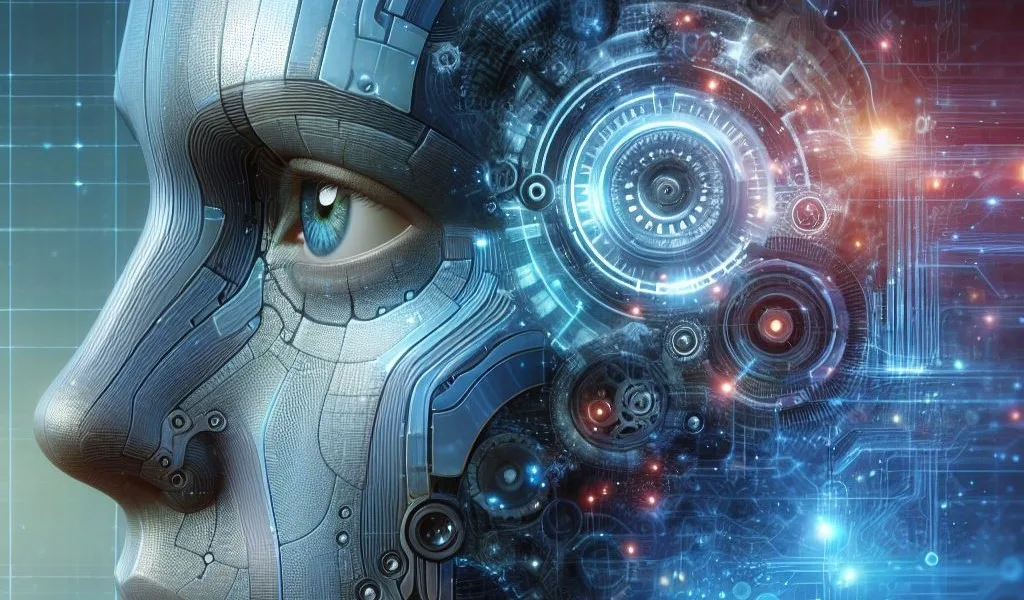
The ethical implications of AI-driven photography are a topic of ongoing debate. Concerns have been raised about issues such as privacy, consent, and the potential for manipulation and deception. For example, AI algorithms can analyze facial expressions and emotions, raising questions about the invasion of privacy and the potential for emotional manipulation in advertising and media.
Additionally, there is a need to ensure that AI algorithms are trained on diverse datasets to avoid biases and discrimination. If AI is to be a tool that enhances creative expression, it must be inclusive and representative of all voices and perspectives.
While AI can undoubtedly assist us in our creative process, it is essential to remember that human input is irreplaceable. As photographers, we bring our unique experiences, emotions, and perspectives to our work. AI can provide us with new tools and techniques, but it is our vision and creativity that ultimately shape the final image.
In conclusion, AI has the potential to revolutionize the field of photography by enhancing creative expression and providing innovative tools and techniques. From image recognition and tagging to automated editing and retouching, AI offers a range of possibilities that can streamline our workflow and push the boundaries of our art. However, it is crucial that we embrace AI while also maintaining our unique artistic vision. By leveraging the power of AI alongside our creativity, we can create truly captivating images that resonate with viewers on a deeper level. So let us embrace this exciting new era in photography and continue to push the boundaries of what is possible while staying true to our artistic vision.
FAQs
What is AI?
AI stands for Artificial Intelligence. It is a branch of computer science that deals with the creation of intelligent machines that can perform tasks that typically require human intelligence, such as visual perception, speech recognition, decision-making, and language translation.
What is machine learning?
Machine learning is a subset of AI that involves the use of algorithms and statistical models to enable machines to learn from data and improve their performance on a specific task over time without being explicitly programmed.
How is AI being used in photography?
AI is being used in photography to enhance creative expression by automating certain tasks such as image recognition, object detection, and image segmentation. This allows photographers to focus on the creative aspects of their work while the AI handles the technical details.
What are some examples of AI in photography?
Some examples of AI in photography include automated image tagging, facial recognition, and image enhancement. AI can also be used to generate new images based on existing ones, such as creating a high-resolution version of a low-resolution image.
What are the benefits of using AI in photography?
The benefits of using AI in photography include increased efficiency, improved accuracy, and enhanced creativity. AI can help photographers save time by automating repetitive tasks, while also improving the quality of their work by providing more accurate and consistent results.
Are there any drawbacks to using AI in photography?
One potential drawback of using AI in photography is the risk of over-reliance on technology, which could lead to a loss of creativity and originality. Additionally, there are concerns about the ethical implications of using AI for tasks such as facial recognition and image manipulation.