





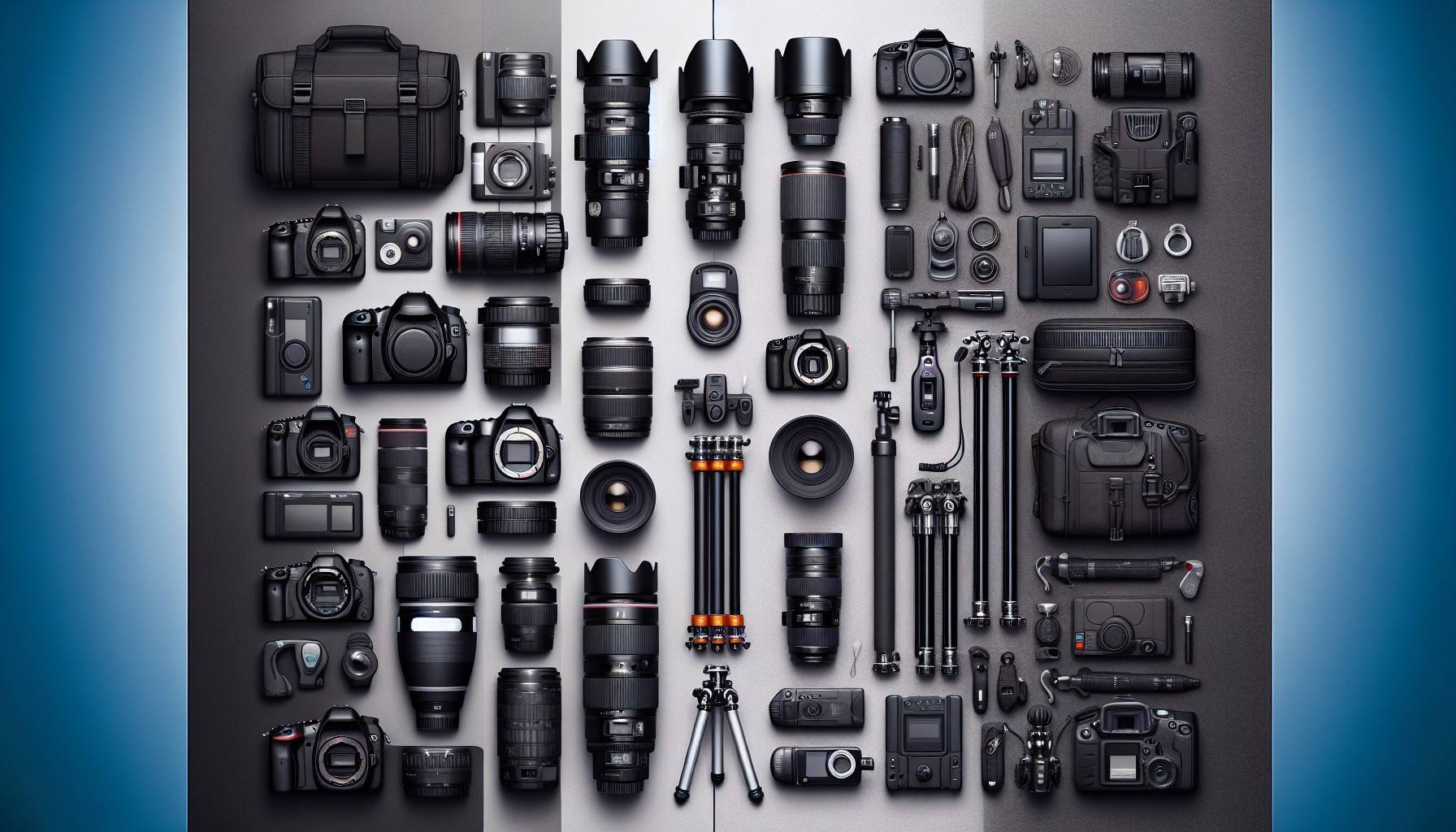

Behind the Lens: Professional vs. Amateur Photography
Professional photographers and amateur photographers approach the art of composition in vastly different ways. For professionals, composition is a carefully considered aspect of their work, with every element within the frame being meticulously planned and executed. They understand the rule of thirds, leading lines, and other compositional techniques, and they use them to create visually stunning and impactful images.
Professionals also have a keen eye for detail, and they are able to spot potential compositions in even the most mundane of scenes. On the other hand, amateur photographers often approach composition in a more haphazard manner. They may not be familiar with the various compositional techniques, and as a result, their images may lack the visual impact and cohesiveness that professional photographs possess.
Amateurs may also struggle with framing and may not pay as much attention to the details within the frame. However, this doesn’t mean that amateur photographers are incapable of creating compelling compositions. With practice and education, they can improve their compositional skills and create images that are just as impactful as those of professionals.
Key Takeaways
- Professional photographers have a deeper understanding of composition and approach it with more intention and purpose than amateurs.
- Professionals invest in high-quality equipment and have a better grasp of technical techniques, while amateurs may rely more on trial and error.
- Professionals understand the importance of lighting and use it to their advantage, while amateurs may make common mistakes that affect the quality of their photos.
- Post-processing and editing are approached with more skill and precision by professionals, while amateurs may rely on presets and basic editing tools.
- Professional photographers excel in capturing emotion and storytelling, while amateurs may struggle to convey a compelling narrative through their images.
Equipment and Technique: How Professionals and Amateurs Differ
One of the most obvious differences between professional and amateur photographers is the equipment they use. Professionals often invest in high-quality cameras, lenses, and other gear that allow them to capture images with exceptional clarity and detail. They also have a deep understanding of their equipment and how to use it to its full potential.
This allows them to consistently produce high-quality images regardless of the shooting conditions. Amateur photographers, on the other hand, may not have access to the same level of equipment as professionals. They may use entry-level cameras or even just their smartphones to capture images.
While this can present some limitations, it doesn’t mean that amateur photographers are unable to produce great work. With the right technique and knowledge, they can still create compelling images that rival those of professionals. Additionally, many amateur photographers are able to produce stunning images using affordable equipment, proving that it’s not always about the gear, but rather how it’s used.
Lighting is a crucial aspect of photography, and it’s an area where professionals and amateurs often differ greatly. Professional photographers have a deep understanding of light and how it can be used to enhance their images. They know how to manipulate natural light, use artificial lighting sources, and create mood and atmosphere through their lighting choices.
They also understand how to control exposure and use light to create dynamic and visually striking images. Amateur photographers may struggle with lighting, often making mistakes such as shooting in harsh midday sun or using on-camera flash in low light situations. This can result in images that lack depth and dimension, or that are overly harsh or flat.
However, with education and practice, amateur photographers can improve their understanding of lighting and learn how to use it to their advantage. By studying the work of professionals and experimenting with different lighting techniques, they can elevate their images and create more visually compelling photographs.
Post-processing and editing are where professional and amateur photographers often diverge the most. Professionals typically have a deep understanding of editing software such as Adobe Photoshop or Lightroom, and they use these tools to enhance their images while still maintaining a natural look. They understand how to adjust exposure, color balance, and contrast to bring out the best in their photographs without overdoing it.
Amateur photographers may not have the same level of expertise when it comes to post-processing and editing. They may rely on automatic filters or presets, which can result in images that look over-processed or unnatural. However, with the right education and practice, amateur photographers can improve their editing skills and learn how to enhance their images in a way that is both tasteful and effective.
There are also many resources available for amateur photographers to learn more about post-processing and editing, allowing them to elevate their work to a more professional level.
Capturing Emotion and Storytelling: Contrasts in Professional and Amateur Photography
Professional photographers are often skilled at capturing emotion and telling a story through their images. They understand how to connect with their subjects and evoke genuine emotions that resonate with viewers. They also have a keen eye for storytelling, using composition, lighting, and other elements to create images that are not only visually striking but also emotionally impactful.
Amateur photographers may struggle with capturing emotion and storytelling in their images. They may focus more on technical aspects such as exposure and composition, neglecting the emotional connection that can make a photograph truly powerful. However, with practice and education, amateur photographers can learn how to connect with their subjects and tell compelling stories through their images.
By studying the work of professionals and practicing techniques such as portrait photography or photojournalism, they can improve their ability to capture emotion and create images that resonate with viewers.
Challenges and Rewards: Exploring the Contrasts in the Photography Industry
| Aspect | Professional Photography | Amateur Photography |
|---|---|---|
| Equipment | High-end cameras, lenses, and lighting | Consumer-grade cameras and basic accessories |
| Skills | Extensive knowledge of composition, lighting, and editing | Limited understanding of photography techniques |
| Experience | Years of professional practice and training | Limited experience and self-taught skills |
| Quality | High-resolution, professionally edited images | Lower resolution, basic editing or filters |
| Subject Matter | Commercial, editorial, or fine art photography | Personal or hobbyist photography |
The photography industry presents both challenges and rewards for both professional and amateur photographers. For professionals, the industry can be highly competitive, with many talented individuals vying for the same opportunities. They may face challenges such as finding consistent work, building a client base, or standing out in a crowded market.
However, the rewards of a successful career in photography can be significant, including creative fulfillment, financial stability, and the opportunity to make a meaningful impact through their work. Amateur photographers may face different challenges within the industry, such as finding opportunities to showcase their work or gaining recognition for their talent. They may also struggle with self-doubt or imposter syndrome as they navigate the complexities of the photography world.
However, there are also many rewards for amateur photographers, including the joy of creating art, the opportunity to connect with others who share their passion, and the potential for growth and improvement through continued practice and education.
The business side of photography is another area where professionals and amateurs differ significantly. Professional photographers often have a deep understanding of business practices such as marketing, branding, pricing, and client relations. They know how to position themselves in the market, attract clients, and deliver high-quality work that meets their clients’ needs.
They also understand the importance of contracts, licensing, and other legal aspects of running a photography business. Amateur photographers may not have the same level of business acumen as professionals. They may struggle with pricing their work, marketing themselves effectively, or understanding the legal aspects of photography such as copyright law.
However, there are many resources available for amateur photographers to learn more about the business side of photography, including workshops, online courses, and mentorship programs. With education and dedication, amateur photographers can develop the skills they need to turn their passion into a successful business. In conclusion, there are many contrasts between professional and amateur photography, from the approach to composition and technique to the understanding of lighting, post-processing, storytelling, industry challenges, and business practices.
While professionals often have a deeper understanding of these aspects due to their experience and education, amateur photographers have the potential to improve their skills through practice and continued learning. Both professionals and amateurs play an important role in the photography industry, each bringing their own unique perspective and creativity to the art form. By recognizing these contrasts and working to bridge the gap between professional and amateur photography, we can create a more inclusive and diverse community that celebrates all levels of talent and passion for photography.