



Picture Perfect: Mastering the Art of Posing for Photos
Posing is a fundamental aspect of photography that can significantly influence the outcome of an image. It serves as a bridge between the subject and the viewer, conveying emotions, stories, and personality. A well-executed pose can enhance the aesthetic appeal of a photograph, making it more engaging and memorable.
In contrast, poor posing can detract from the subject’s natural beauty and lead to awkward or unflattering images. Understanding the importance of posing is essential for both photographers and subjects alike, as it can elevate a simple snapshot into a work of art. Moreover, posing is not merely about standing or sitting in a certain way; it involves an understanding of angles, body alignment, and the interplay of light and shadow.
For instance, tilting the head slightly or shifting weight onto one leg can create a more dynamic and interesting composition. This awareness of how different poses affect the overall image is crucial for capturing the essence of the moment. Whether it’s a candid shot or a carefully orchestrated portrait, the right pose can evoke feelings and reactions that resonate with viewers, making it an indispensable skill in photography.
Key Takeaways
- Posing is crucial in photography as it can make or break a photo
- Understanding body language and facial expressions is essential for capturing great photos
- Different types of photography require different posing techniques
- Tips and tricks can help anyone pose like a pro in photos
- Avoid common mistakes to ensure picture-perfect poses
Tips and Tricks for Posing Like a Pro
To pose like a professional, one must first become aware of their body and how it interacts with the camera. A common tip is to elongate the body by standing tall and slightly pulling the shoulders back. This posture not only conveys confidence but also helps to create a more flattering silhouette.
Additionally, positioning the body at an angle to the camera rather than facing it straight on can add depth to the image. This technique allows for more interesting lines and shapes, enhancing the overall composition. Another effective trick is to engage with the hands.
Many people struggle with what to do with their hands while posing, leading to stiff or unnatural images. To combat this, subjects can try placing their hands on their hips, gently touching their face, or even playing with their hair. These actions can create a sense of movement and spontaneity in the photograph.
Furthermore, practicing poses in front of a mirror can help individuals discover their best angles and expressions, allowing them to feel more comfortable and confident when it’s time for the camera to click.
Understanding Body Language and Facial Expressions for Better Photos
Body language plays a pivotal role in how a photograph is perceived. The way one holds their body can communicate a range of emotions—from confidence and joy to shyness or discomfort. For instance, open body language, characterized by uncrossed arms and legs, often conveys approachability and warmth.
Conversely, closed body language may suggest defensiveness or unease. Being mindful of these cues can help subjects project the desired emotion in their photos, making them more relatable and engaging. Facial expressions are equally important in photography.
A genuine smile can light up a photograph, while a forced grin may appear stiff and uninviting. To achieve authentic expressions, subjects can think of something that makes them happy or recall a fond memory just before the photo is taken. This mental preparation can lead to more natural smiles and expressions that resonate with viewers.
Additionally, varying expressions throughout a shoot can provide a range of images that capture different facets of one’s personality, enriching the overall photographic narrative.
Posing for Different Types of Photography: Portraits, Group Shots, and Selfies
| Photography Type | Posing Tips |
|---|---|
| Portraits | Relax your shoulders, make eye contact, and angle your body slightly |
| Group Shots | Coordinate outfits, vary heights, and create depth |
| Selfies | Find good lighting, use angles, and experiment with facial expressions |
Each type of photography requires distinct posing techniques to achieve optimal results. In portrait photography, the focus is primarily on the individual, making it essential to highlight their unique features and personality. A classic approach involves using soft lighting and simple backgrounds to draw attention to the subject.
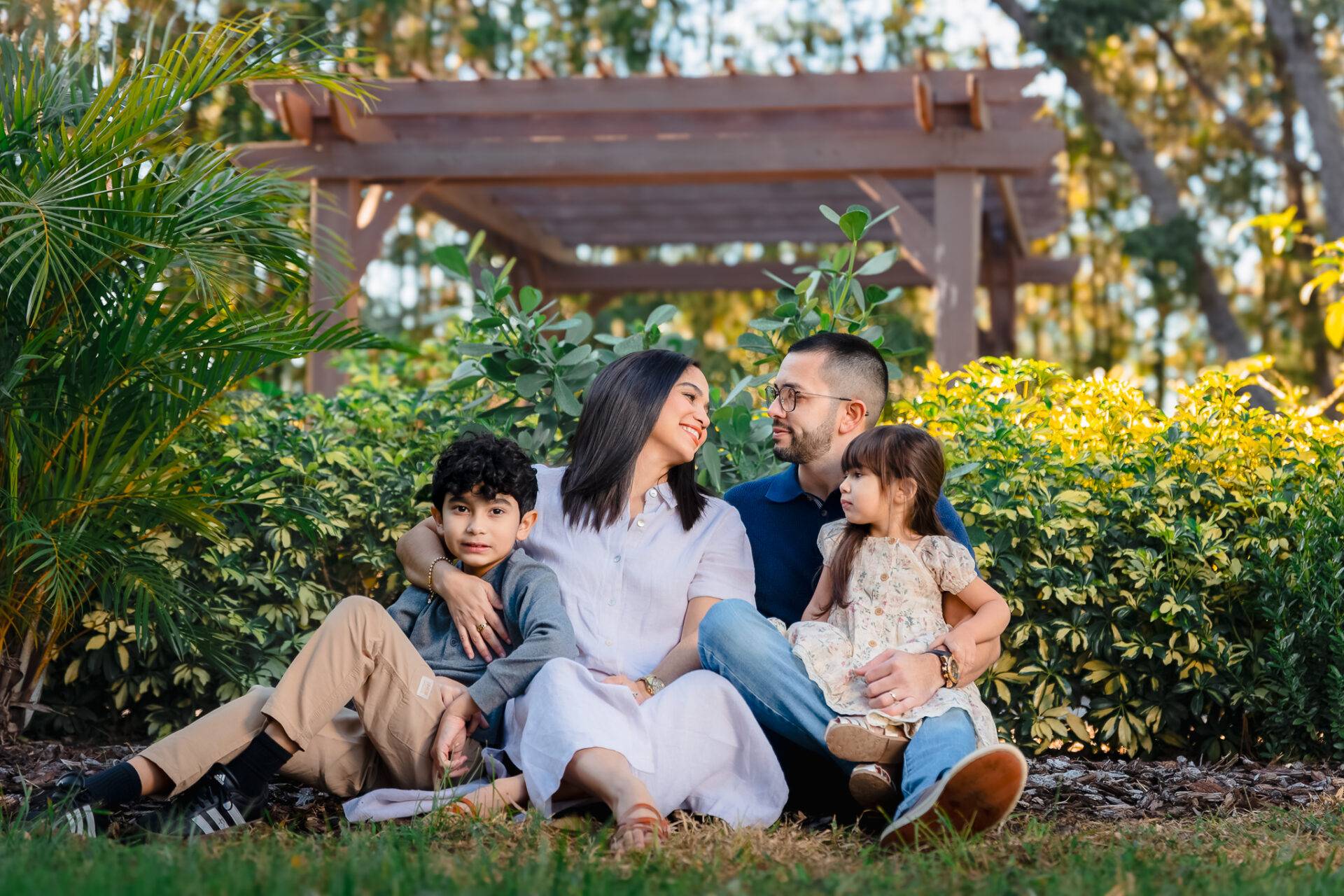
Poses that emphasize the face—such as turning slightly to one side or tilting the head—can create depth and interest in portraits. Group shots present their own set of challenges and opportunities for posing. It is crucial to ensure that all individuals are visible and that no one is overshadowed by others.
Arranging people in varying heights—such as having taller individuals stand at the back—can create a balanced composition. Additionally, encouraging interaction among group members, such as having them lean into each other or share a laugh, can result in more dynamic and engaging images. In contrast, selfies often require a more casual approach; finding good lighting and experimenting with angles can make all the difference in capturing an appealing self-portrait.

Common Mistakes to Avoid When Posing for Photos
Despite best intentions, many individuals fall into common pitfalls when posing for photos that can detract from their overall appearance. One frequent mistake is failing to consider angles; facing the camera straight on can create a flat image that lacks dimension. Instead, turning slightly to one side or tilting the chin can enhance facial features and create a more flattering profile.
Additionally, many people overlook the importance of posture; slouching or leaning too far forward can lead to unflattering images that do not accurately represent one’s true self. Another common error is overthinking poses or expressions, which can result in stiffness or awkwardness in photographs. It is essential to relax and be natural; sometimes the best shots come from candid moments rather than posed ones.
Furthermore, neglecting to communicate with the photographer about preferences or concerns can lead to unsatisfactory results. Open dialogue allows for adjustments during the shoot, ensuring that both parties are aligned on achieving the best possible images. By being aware of these common mistakes and actively working to avoid them, individuals can significantly improve their photographic outcomes.